
Yoga Poses for Back Pain Relief
Discover comprehensive guides to gentle yoga postures designed to strengthen your back, improve flexibility, and reduce discomfort naturally
Featured Yoga Poses
Each pose targets specific areas of your back and provides relief through gentle stretching and strengthening. Browse our collection of proven yoga postures.
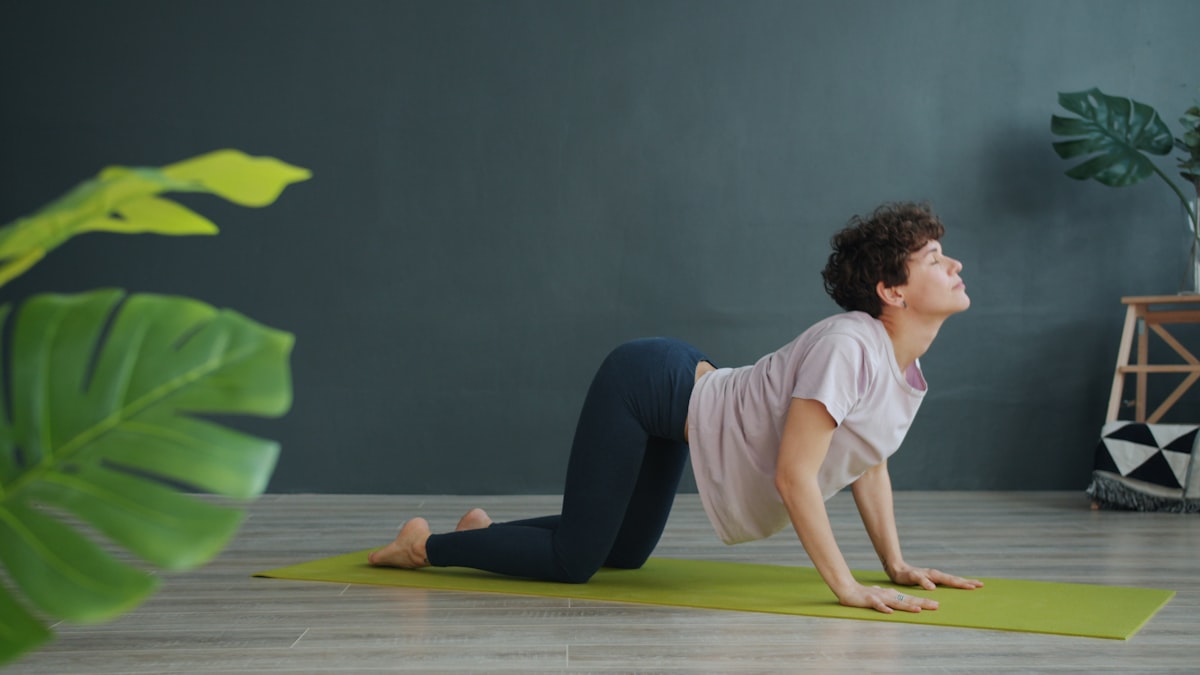
Child's Pose
A restorative pose that gently stretches the lower back and promotes relaxation. Perfect for beginners and ideal for releasing tension accumulated during the day.
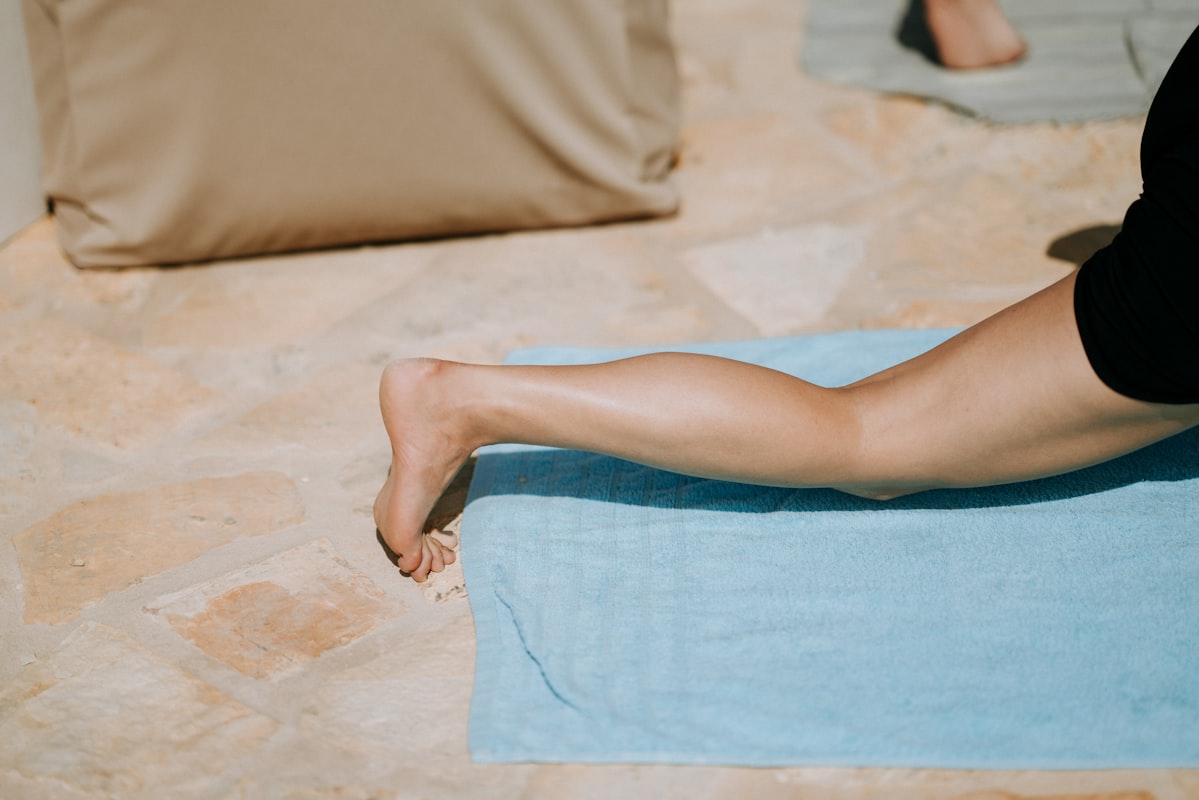
Cat-Cow Stretch
A dynamic flowing movement that mobilises your spine and warms up the back muscles. Excellent for improving spinal flexibility and relieving stiffness in the morning.
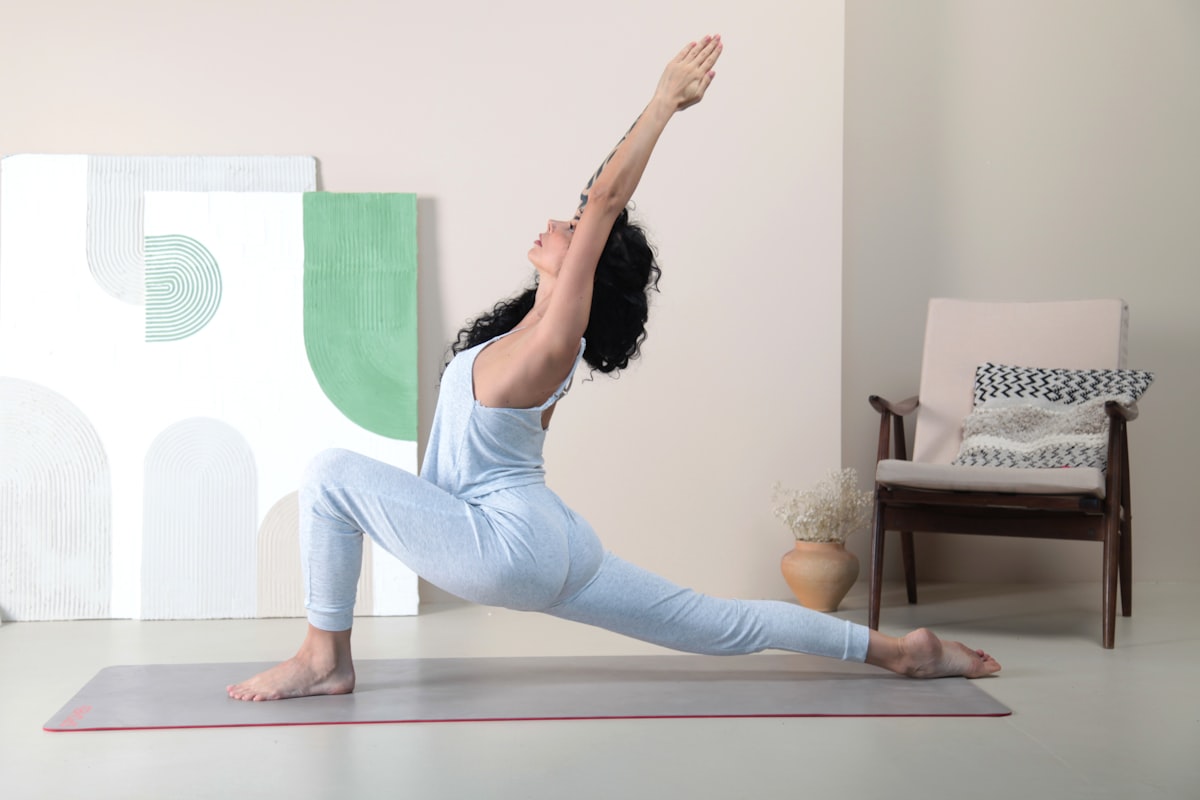
Downward Dog
This foundational inversion pose stretches the entire posterior chain, including hamstrings and calves. Strengthens shoulders and arms whilst decompressing the spine.
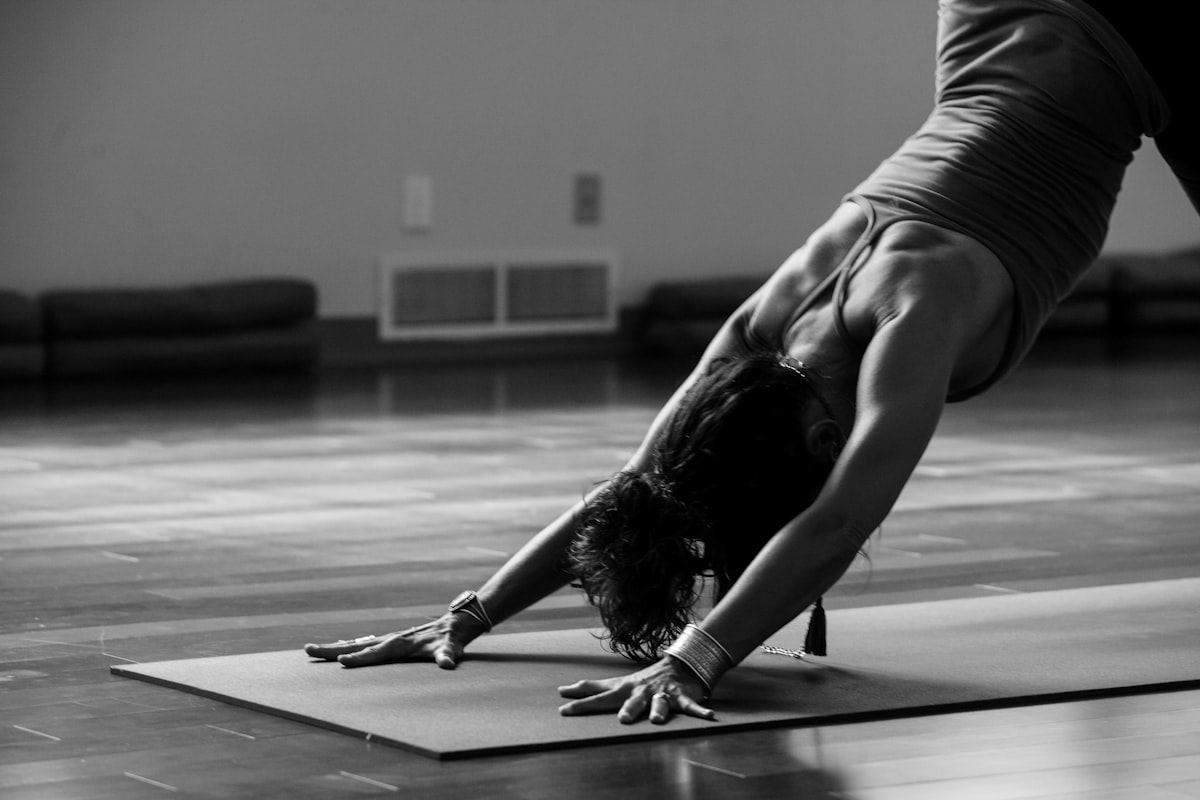
Sphinx Pose
A gentle backbend that strengthens the spine and opens the chest. This pose builds core stability without placing excessive strain on the lower back.
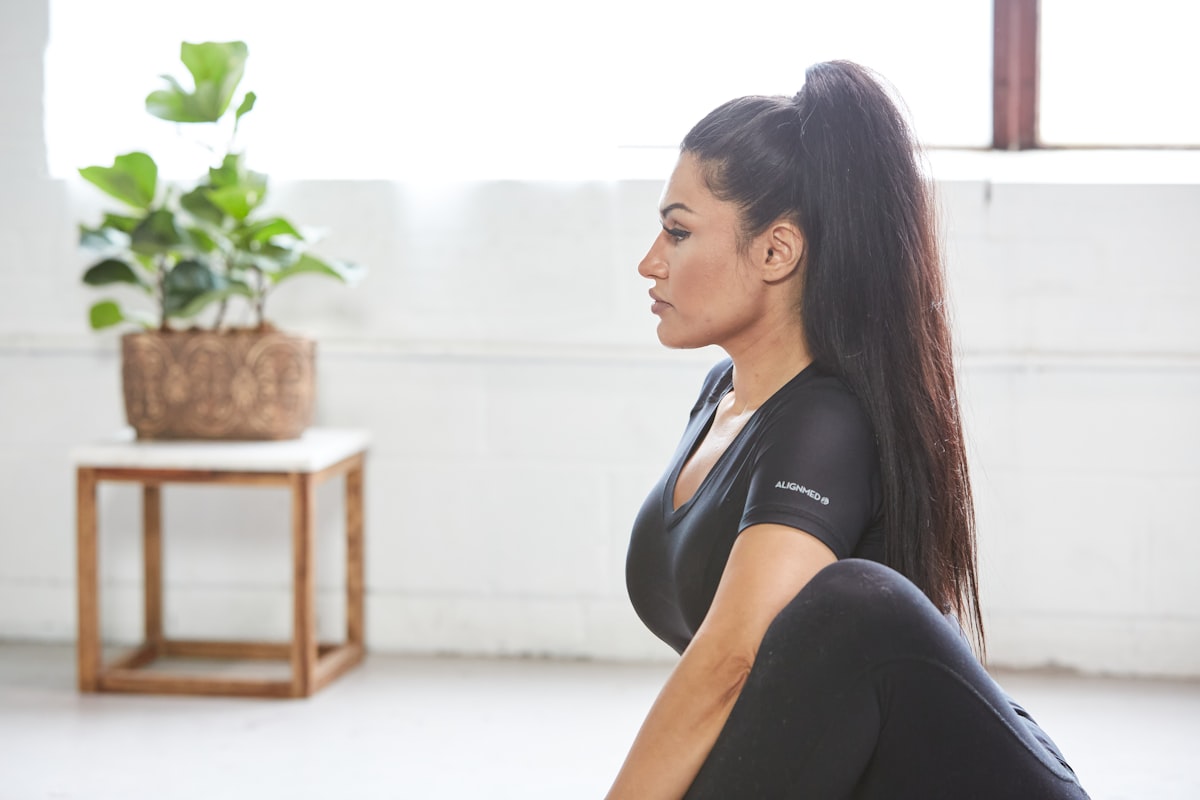
Supine Twist
A deeply relaxing pose performed lying on your back that gently massages internal organs and stretches the back, glutes, and hip flexors. Perfect for evening practice.
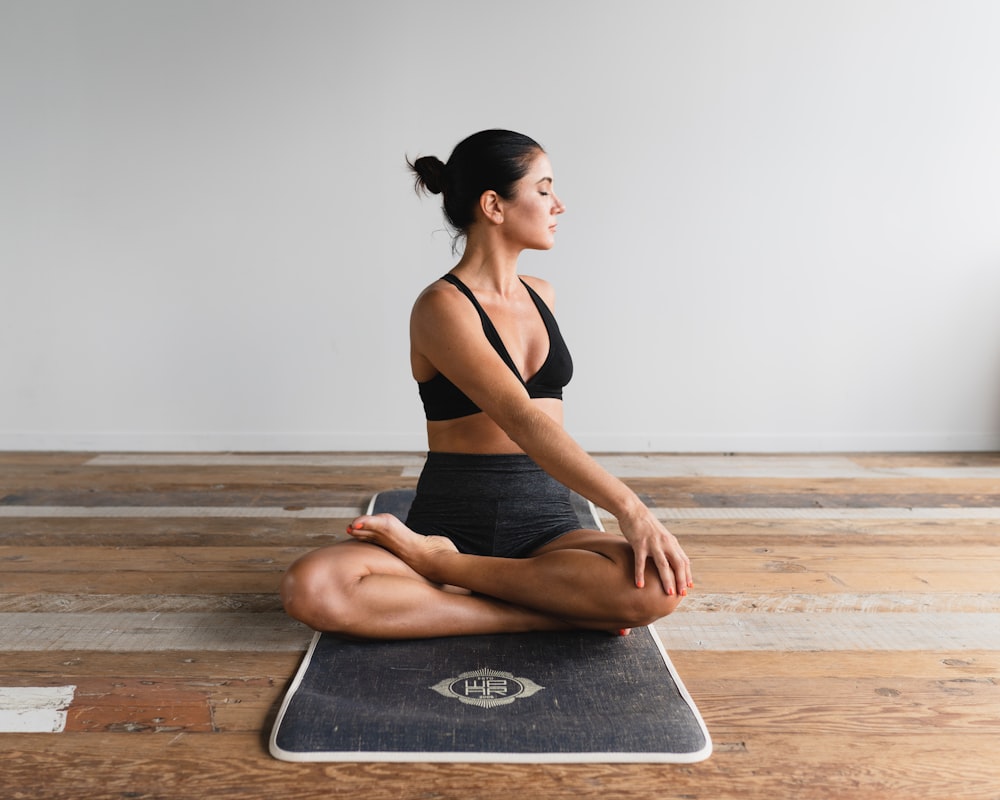
Locust Pose
A powerful backbend that strengthens the entire posterior chain, particularly the lower back and glutes. Build resilience and muscular support for your spine safely.
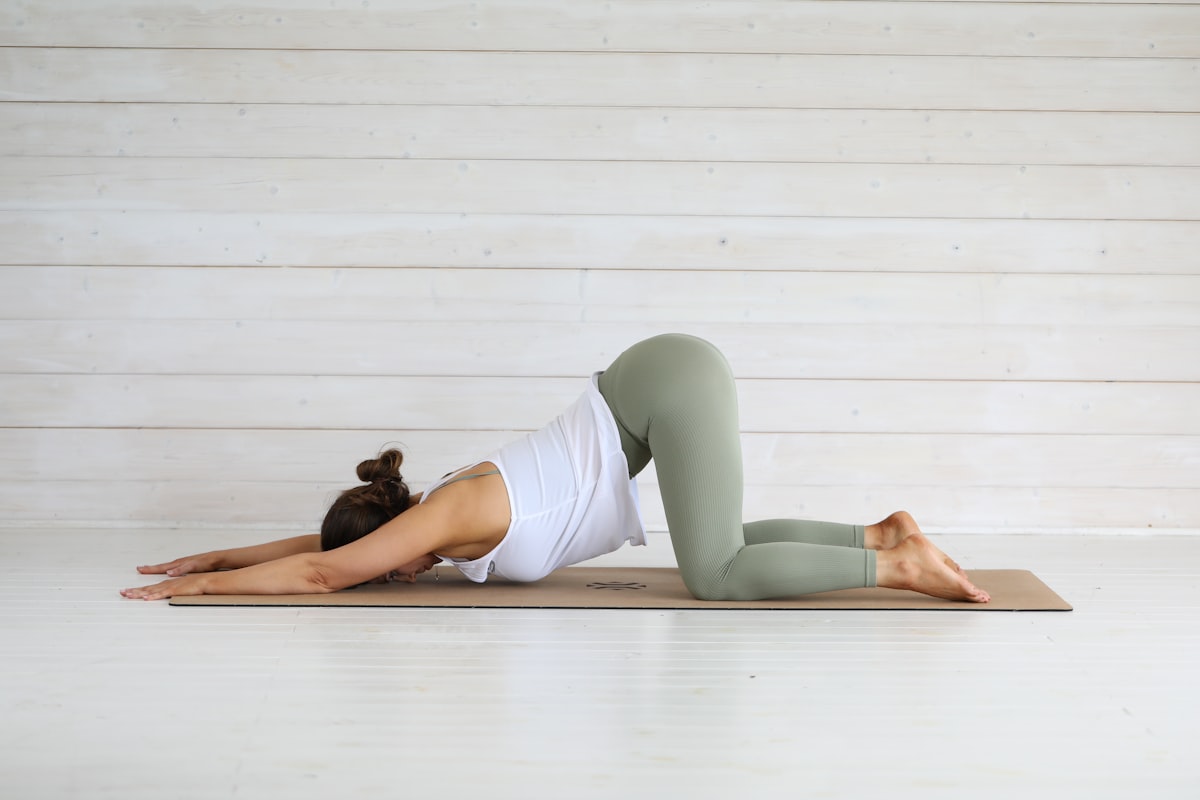
Pigeon Pose
An excellent deep hip opener that releases tension in the piriformis muscle, which often compresses the sciatic nerve. Helps resolve lower back discomfort caused by tight hips.
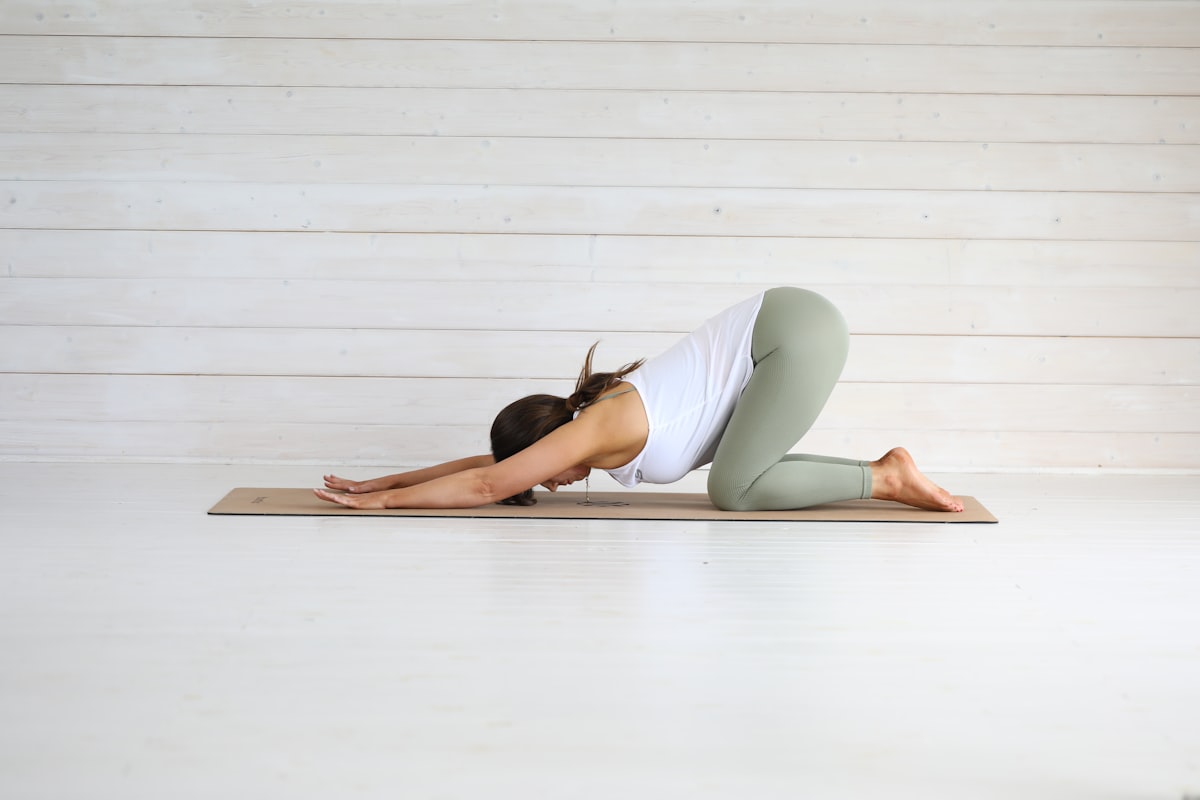
Bridge Pose
A foundational strengthening pose that engages glutes, hamstrings, and core muscles to support your lower back. Opens the chest and hip flexors whilst building stability.
Cobra Pose
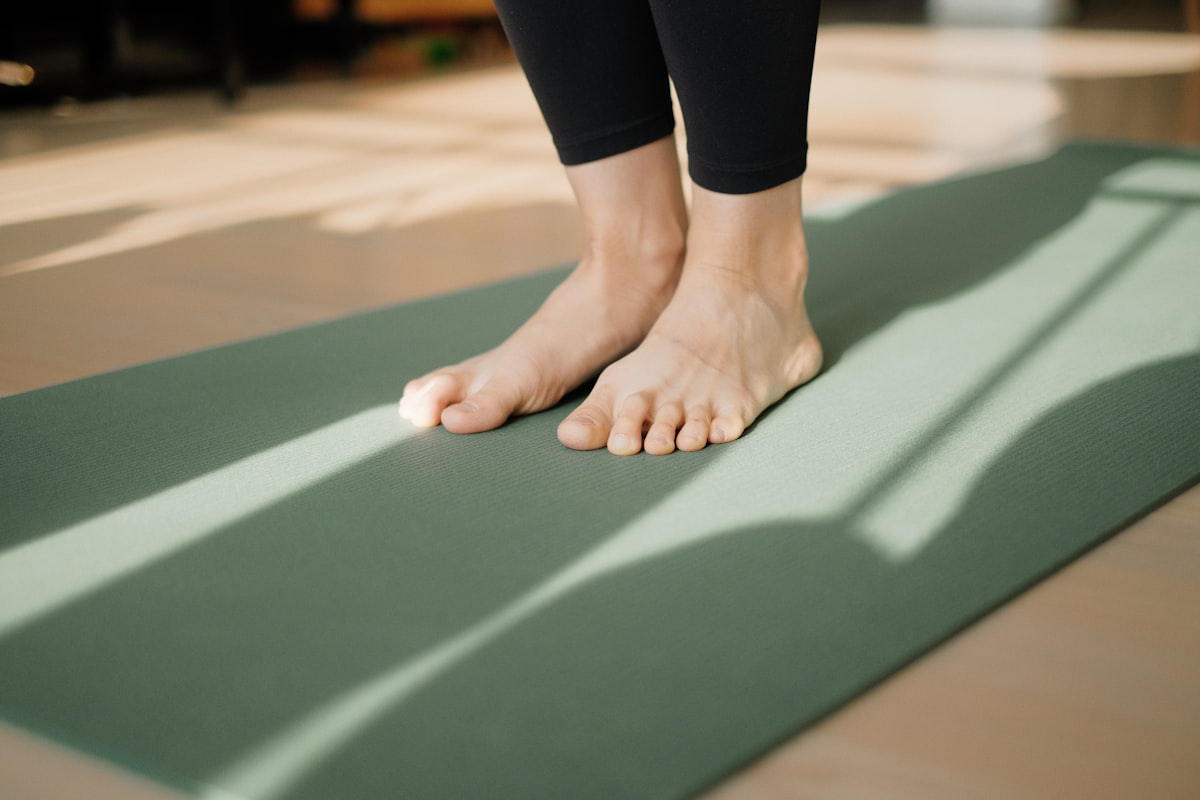
A gentle backbend that opens the chest, shoulders, and abdomen whilst strengthening the spine. Improves posture and builds confidence in your practice.
Why Yoga Works for Back Pain
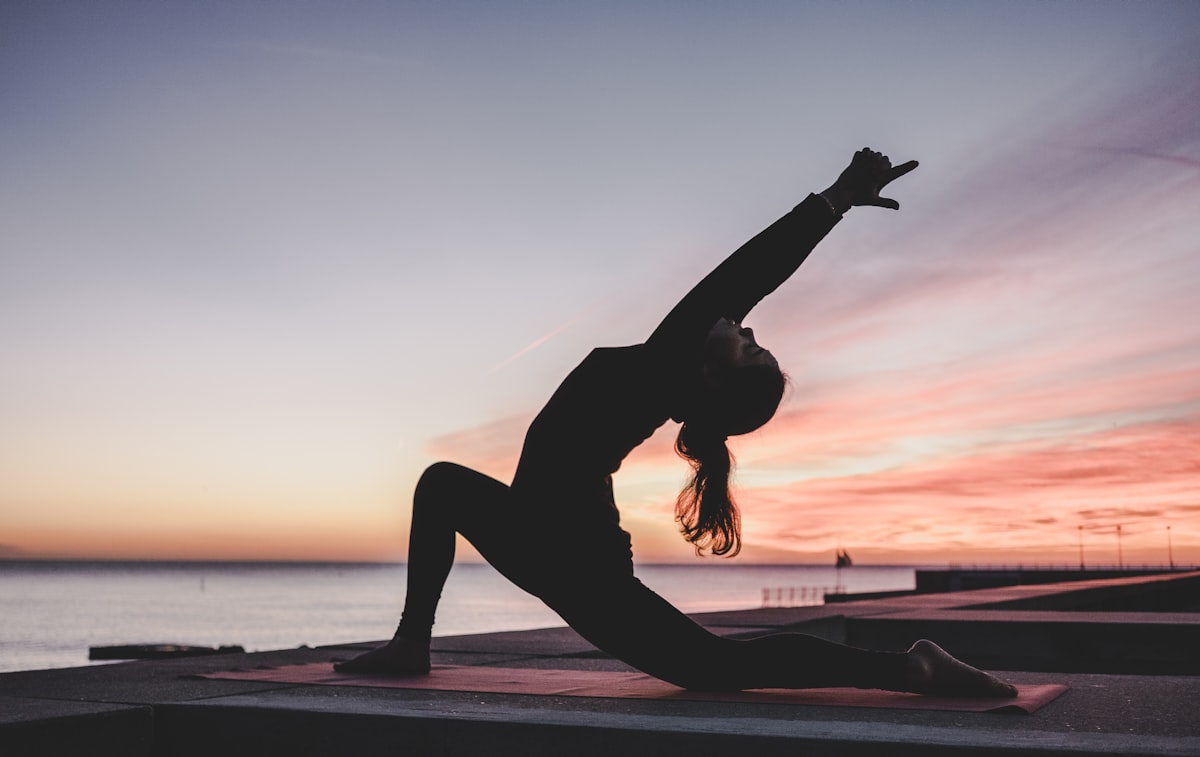
Yoga addresses the root causes of back discomfort through targeted stretching, strengthening, and mindfulness practices.
Holistic Back Pain Relief
Increased Flexibility
Gentle stretching lengthens muscles and improves range of motion, reducing stiffness and tension throughout your spine.
Core Strengthening
Yoga builds deep abdominal and back muscles that stabilise your spine and reduce excessive motion that causes discomfort.
Improved Posture
Regular practice develops body awareness and encourages proper alignment, preventing future back strain from poor positioning.
Stress Reduction
Mindfulness and controlled breathing calm the nervous system, reducing muscle tension that accumulates from emotional stress.
Your 7-Day Beginner Journey
Start with this simple progression to build strength and flexibility at your own pace.
Gentle Stretching
Start with Child's Pose and Supine Twist for 10 minutes. These gentle poses introduce you to the practice with minimal strain.
View poses →Spinal Mobility
Practice Cat-Cow Stretch for 5 minutes to warm up your spine. Follow with Downward Dog for another 10 minutes.
View poses →Build Strength
Introduce Cobra Pose and Sphinx Pose. Hold each for 30 seconds, rest, and repeat. Total session: 15 minutes.
View poses →Full Routine
Combine all previous poses plus Bridge Pose and Pigeon Pose. Practice 20 minutes daily for sustained results.
View poses →Frequently Asked Questions
Yoga is generally safe and beneficial for back discomfort. However, always listen to your body and avoid poses that increase pain. Start with beginner-level poses and gradually progress. Consider consulting with a healthcare provider if you have severe or persistent issues before beginning any new exercise routine.
Consistency is more important than intensity. Practising 3-5 times per week for 15-30 minutes yields noticeable improvements within 2-3 weeks. Even short daily sessions of 10 minutes provide significant benefits. Start with what fits your schedule and gradually build up as your practice develops.
Stop immediately and step back from the pose. Use modifications provided in our guides or try a gentler variation. Pain is a signal from your body to reduce intensity. Mild stretching sensation is normal, but sharp or shooting pain indicates you should modify or skip that pose entirely.
A yoga mat is recommended for comfort and grip, but not essential. You can practise on carpet or a folded towel. Props like blocks and straps help with modifications but are optional for beginners. Focus on correct form and breathing rather than having perfect equipment.
Morning practice energises your body and improves posture throughout the day. Evening practice promotes relaxation and better sleep. The best time is when you can be consistent. Avoid practising immediately after heavy meals—wait 2-3 hours for optimal comfort.
Absolutely. Yoga is suitable for all fitness levels. Our beginner poses require no prior experience and can be modified for your current ability. Start slowly, focus on breathing and alignment, and progress at your own pace. Listen to your body and celebrate small improvements.
What Practitioners Say
"I've been practising these poses for three weeks and the difference is remarkable. The stretches in the guides are easy to follow and genuinely help. My back feels stronger and less stiff each morning. Highly recommend this resource."
Sarah Anderson
Manchester, UK
"As someone with chronic lower back tension, I was sceptical. But following the 7-day programme genuinely worked. The explanations are clear, the modifications are helpful, and I've finally found an exercise routine I can stick with."
Michael Harris
Birmingham, UK
"The detailed photos and instructions make it so easy to understand proper form. I appreciate the progressive structure that doesn't rush you. After two months, my posture has improved and I have more confidence in daily activities."
Emma Johnson
Leeds, UK
"The guides on this site have transformed my understanding of flexibility and strength. I feel more informed than ever!"
Michael Roberts
Manchester, UK
Frequently Asked Questions
Find answers to common questions about our programs and services.
What experience level do I need for yoga classes?
Our classes are designed for all levels, from complete beginners to advanced practitioners. Our instructors provide modifications for every pose, ensuring you can practice safely at your own pace.
How often should I practice yoga?
We recommend practicing 3-4 times per week for optimal results, but even 1-2 sessions weekly can provide significant benefits. Consistency matters more than intensity when building your practice.
Can I get personalized nutrition plans?
Yes! We offer one-on-one nutrition consultations where our certified experts create customized meal plans tailored to your specific health goals and dietary preferences.
What if I have injuries or health conditions?
Always consult your healthcare provider before starting any new exercise program. Our instructors can work with you to adapt poses, and we offer specialized therapeutic yoga sessions.
How do I access online classes?
After signing up, you'll receive instant access to our platform with a library of on-demand classes, live sessions, nutrition resources, and a supportive community forum.
Ready to Transform Your Life?
Join thousands of people who've discovered the power of balanced living with Dietyogalivewell. Start your journey today—your best self is waiting.
No credit card required • Cancel anytime • 7-day free trial